Ceramic tint in Ottawa, for the heat you feel
Most window film is chosen for the way it looks. Ceramic film is chosen for the way it feels: a cabin that is not baking after an afternoon in a parking lot, an arm that is not burning on the drive home, and air conditioning that catches up sooner. It can do that in a dark shade, or in one that is nearly clear.
At a glance
- Best for
- Heat, comfort and long summer drives
- Shades
- From 5% to nearly clear
- Signals
- No metal: phone, GPS and transponders unaffected
- Colour
- Stable; does not fade or turn purple
- Also for
- Glass roofs, EVs, and home windows
What ceramic tint is
Ceramic tint is a window film that uses tiny ceramic particles, built into one of its layers, to turn back infrared light. Infrared is the part of sunlight you cannot see but can feel as heat, and it carries roughly half of the sun's energy. Stopping it, while letting visible light through, is what keeps a car cooler without making it dark.
That is the key difference from the films that came before it. Dyed film darkens glass by absorbing light, and the dye fades over time. Carbon film absorbs more and holds its colour. Metallized film reflects heat well, but its metal layers can interfere with phone, GPS and radio signals and give the glass a shiny look. Ceramic film gets strong heat rejection from particles that are not metal at all, so it stays clear to look through and invisible to radio waves.
Because the heat control comes from the ceramic layer rather than from darkness, ceramic tint is sold in a full range of shades, from a 5% limo black to films that are nearly clear. That range is what makes it so useful in Ontario, where the front windows of newer cars have to stay light.
Ceramic tint against the other films
A comparison of the four film types you will hear about, on the points that matter most to a driver. The exact numbers vary from product to product; this is how the types compare in general.
| Dyed | Carbon | Metallized | Ceramic | |
|---|---|---|---|---|
| Heat stopped | Least | Moderate | High | Highest for a given shade |
| Glare | Good | Good | Good | Good |
| UV blocked | Most block 99% | Most block 99% | Most block 99% | Most block 99% |
| Colour over time | Can fade or turn purple | Stable | Stable | Stable |
| Phone and GPS | No effect | No effect | Can interfere | No effect |
| Look | Flat black | Matte black | Shiny from outside | Neutral, very clear |
| Price | Lowest | Middle | Middle | Highest |
Each product's heat rejection, UV and light figures are on its maker's specification sheet; ask to see it.
How heat rejection is measured, and how to read the numbers
Window film is sold with a page of numbers, and the one that matters most for heat is often not the biggest. Infrared rejection, sometimes printed as IRR, tells you what share of infrared light is stopped, and ceramic films often quote very high figures. But infrared is only part of the sun's heat. Visible light and UV carry the rest.
The number that describes the whole picture is total solar energy rejected, or TSER. It is the share of all the sun's energy, visible, infrared and ultraviolet together, that the film keeps out of the car. Two films with the same infrared figure can have very different TSER, because one is darker and blocks more visible light as well.
That is the honest trade-off with any film: a dark ceramic will usually have a higher TSER than a clear one, because it stops more light. What ceramic does is narrow the gap, so a light, legal shade still stops a meaningful amount of heat. When comparing films, compare TSER for the same shade, from the maker's own sheet.
The numbers on a film's spec sheet
- VLT
- Visible light transmitted. The shade: 70% is light, 5% is limo dark.
- UV rejection
- Share of ultraviolet blocked. Quality films are 99% or more.
- IRR
- Infrared rejection, usually over a stated band of wavelengths. Useful, but only part of the heat.
- TSER
- Total solar energy rejected. The best single number for heat; compare it shade for shade.
- Glare reduction
- How much brighter-than-comfortable light is cut. Tracks closely with VLT.
Read the figures for the shade you are actually buying; the same film line has different numbers in each shade.
Where ceramic tint makes the most difference
If you only want privacy on the back of a sedan, a good carbon film will do the job for less. Ceramic tint earns its price where heat is the problem, and in Ottawa that is more often than people expect.
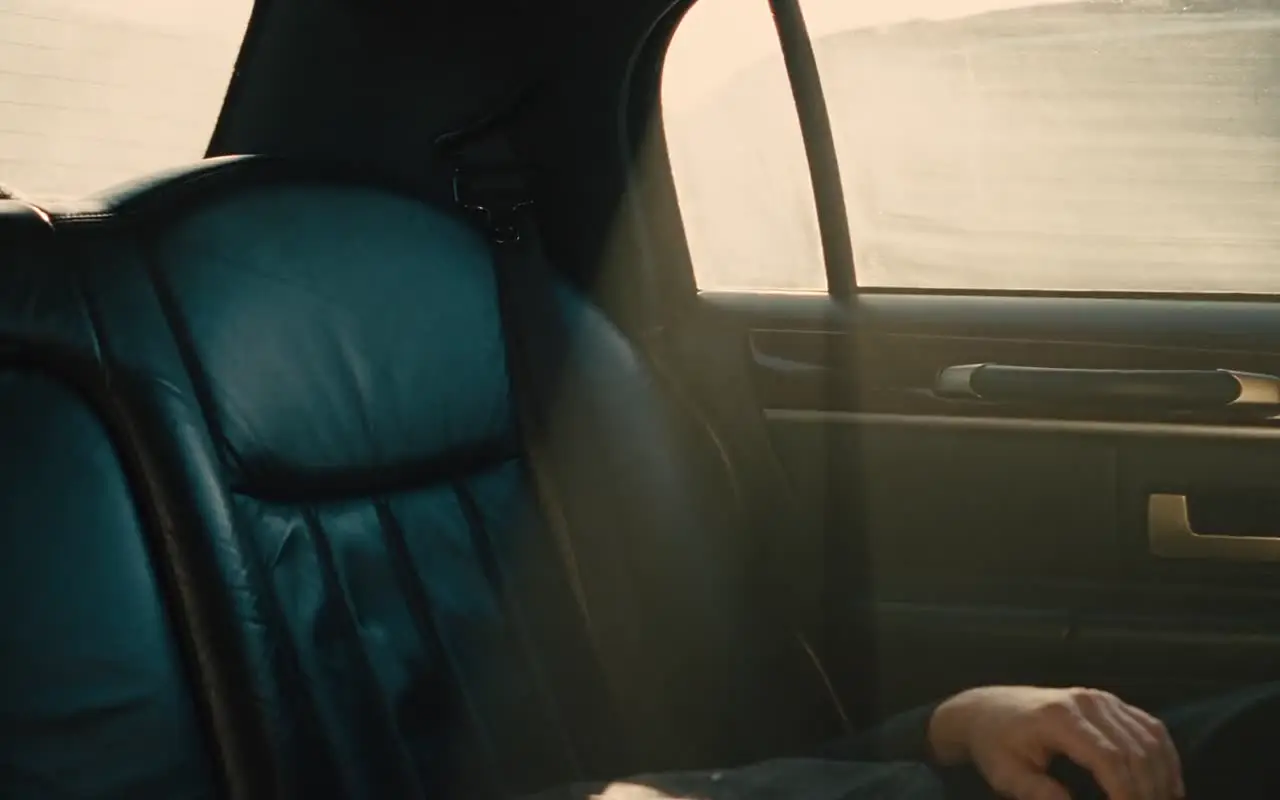
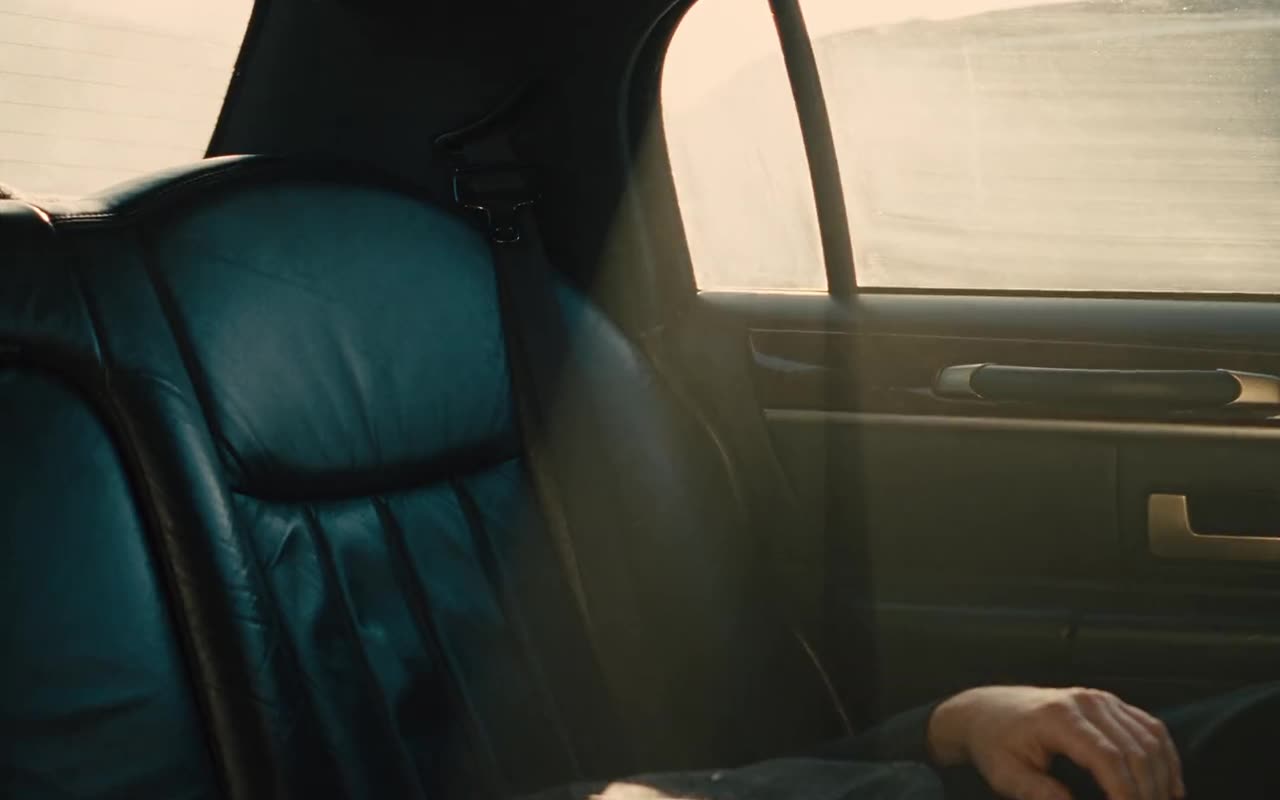
Dark cars and dark interiors are the first case. A black leather interior sitting in July sun gets hot enough to burn, and the glass is where most of that heat comes in. The second is anyone who spends a long time in the car: commuters on the 417 and the 174 driving into a low sun twice a day, delivery and service drivers, and families on long summer drives with children in the back who cannot open their own windows.
The third, and growing, case is glass roofs. Many newer cars, and most electric vehicles, have a large fixed glass roof. On a sunny day it is a skylight with no blind. A ceramic film on the inside of the roof can make the cabin far more comfortable, and for an electric vehicle, anything that reduces the load on the air conditioning is welcome.
Finally there is the front of the car. Ontario requires the front side windows of 2017 and newer vehicles to let at least 70% of light through, which rules out most tint. A nearly clear ceramic can sit inside that limit and still stop much of the heat and 99% of the UV coming in beside the driver. It is the one way to get real heat control at the front legally.
See your shade before you choose it
Pick a vehicle and a shade for the front and the back. The car below shows roughly how it looks from the sidewalk, and the panel tells you how it sits with Ontario's rules.
Front side windows
Rear side windows and back glass
Choose a shade for the front and the back.
An illustration, not a colour match: real film looks different on every paint colour and in every light.
Ceramic on the front: heat control you cannot see
The driver's window is where most people feel the sun. It is the glass closest to you, it is on the side where the sun sits on many commutes, and it is the one Ontario says has to stay light. For years the only legal option was no film at all.
Clear ceramic films changed that. They let most visible light through, so the window looks almost untouched from outside, while the ceramic layer turns back much of the infrared and the film blocks 99% or more of UV. On a 2017 or newer vehicle, a clear ceramic rated 70% or lighter keeps the front windows inside Ontario's inspection standard.
Try the shade preview on the main page to see how the numbers combine, and the Ontario tint check for each window.
Ceramic tint myths you will hear
Ceramic film is the premium product in every tint shop, and premium products attract big claims. These are the ones worth knowing about.
How a ceramic tint job is done
The process is the same as for any car tint, with two differences: ceramic film is a little stiffer, so shrinking the back glass takes more care, and the choice of shade for each window is worth more thought.
Choose by window
Usually a darker ceramic on the rear side windows and back glass, and a light or clear ceramic on the front, chosen so the front stays inside Ontario's 70% rule on newer cars.
Pick the front shade
On 2017 and newer vehicles the front side windows get a film rated 70% or lighter, so the car stays inside the inspection standard.
Clean and cut
Glass is cleaned to the edges and the film is cut to each window from a pattern or by hand on the glass.
Shrink and lay
The back glass film is heat-shrunk to the curve on the outside of the glass, then every piece is laid on the inside and squeegeed dry.
Glass roof, if any
A panoramic roof is done last, overhead, often in a single large piece. It is one of the most noticeable upgrades on a hot day.
Taking care of ceramic tint
Ceramic film is durable, but the first weeks and the way the glass is cleaned make a difference to how it looks years later.
Is ceramic tint worth the extra cost?
Ceramic film costs more than carbon or dyed film, and the honest answer is that whether it is worth it depends on why you are tinting.
If heat is your reason, it usually is. You will feel the difference most on the first hot afternoon: getting into a car that has been in the sun, holding the steering wheel, and resting an arm by the window. You will also have film that keeps its colour and never interferes with a signal.
If your reason is the look, or privacy on the back of the car, a quality carbon film will give you a deep, stable black for less. And if your SUV already has dark factory privacy glass, a clear ceramic over it may be the best of both: heat control without making the back of the car any darker to see out of at night.
For a price on your vehicle, call 613-851-7831. You will get the options side by side, with each film's numbers, and you choose. More about every film and shade is on the car window tinting page and the main window tinting page.
Questions people ask
What is ceramic tint?
A window film that uses non-metallic ceramic particles to turn back infrared light, the part of sunlight you feel as heat, while letting visible light through. It stops more heat for a given shade than dyed or carbon film and does not interfere with signals.
Is ceramic tint darker than regular tint?
Not necessarily. Ceramic film comes in every shade from 5% to nearly clear. The heat control comes from the ceramic layer, not from how dark the film is.
Is ceramic tint legal in Ontario?
Any shade is legal on the rear side windows and back glass. On the front side windows of 2017 and newer vehicles, the windows must let at least 70% of light through to pass inspection, which a clear ceramic rated 70% or lighter meets.
Does ceramic tint block UV?
Yes, quality ceramic films block 99% or more of UV, as do most quality dyed and carbon films.
Will ceramic tint interfere with my phone?
No. Ceramic films contain no metal, so phone, GPS, radio and toll transponder signals pass through normally.
How long does ceramic tint last?
Quality ceramic film is stable: it does not fade or turn purple. Most makers back their ceramic lines with a long warranty against fading, bubbling and peeling; ask what the warranty covers for the film you choose.
Can ceramic film go on a glass roof?
Yes. Panoramic glass roofs are one of the best places for ceramic film, because the roof faces the sun for most of the day and usually has no blind.
More from Ottawa Window Tinting
For the full picture, from Ontario's tint rules to the types of film, see the main page for window tinting in Ottawa, or go straight to a service.
Tell us what you want to tint
613-851-7831Call for the quickest answer, or send the form. You will get a call back with a recommendation, the film options and a price.